Gute Haltung und Beweglichkeit fördern.
Leichtes Sitzen, Stehen, Sich-Bewegen
Wir strengen uns oft viel zu sehr an, wenn wir uns bewegen.
Besonders beim Stehen und Sitzen.
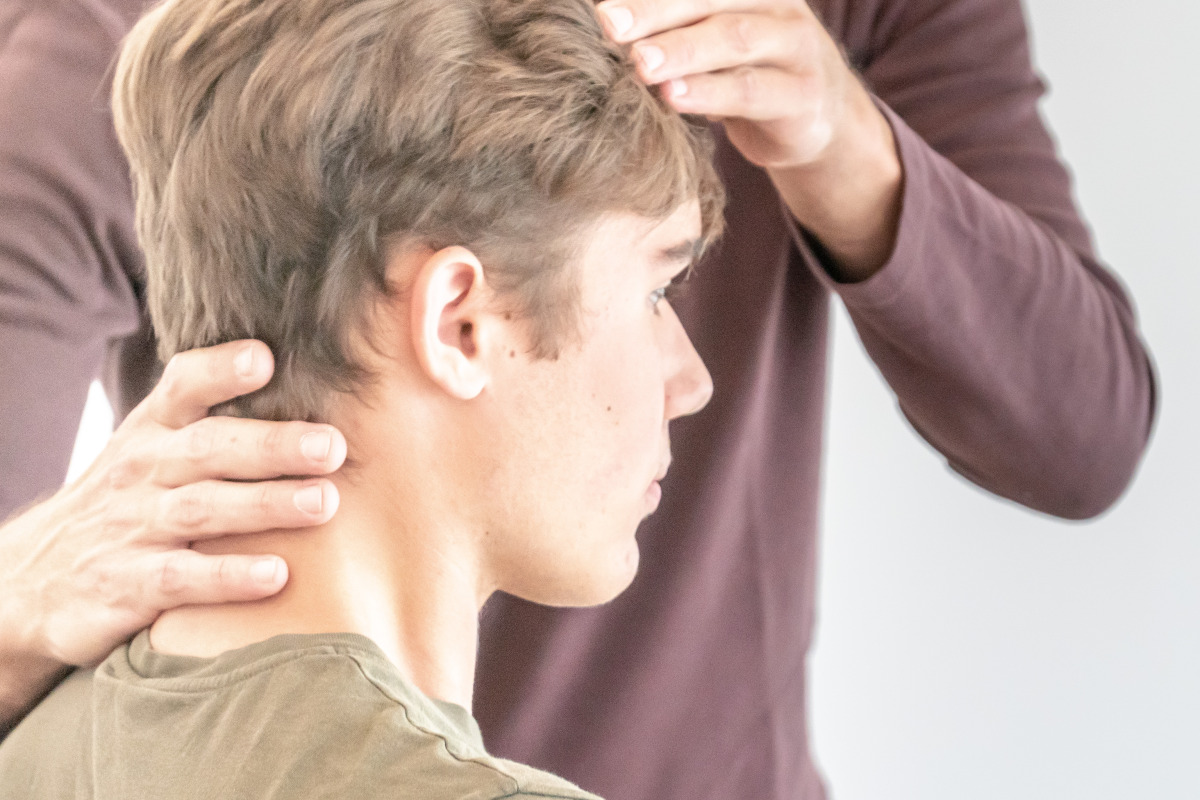
Tatsächlich „halten“ wir uns statt uns zu aufzurichten. Die Folge sind oft Haltungsprobleme und Schmerzen. Das notwendige, freie Zusammenspiel von Kopf, Hals und Rumpf ist hierbei gestört.
Aufrichtung ist von Natur aus aber mühelos, wenn wir diese Koordination wieder herstellen und die Arbeit von der Wirbelsäule und den Knochen der Beine erledigen lassen. Balance braucht nur sehr wenig Muskelkraft.
Wir alle hatten diese mühelose Aufrichtung als Kinder, wir haben sie nur mit der Zeit „verlernt“.
Ich zeige Ihnen, wie Sie diese mühelose Aufrichtung wieder erlangen können!
Leichtes Atmen und klingende Stimme entwickeln.
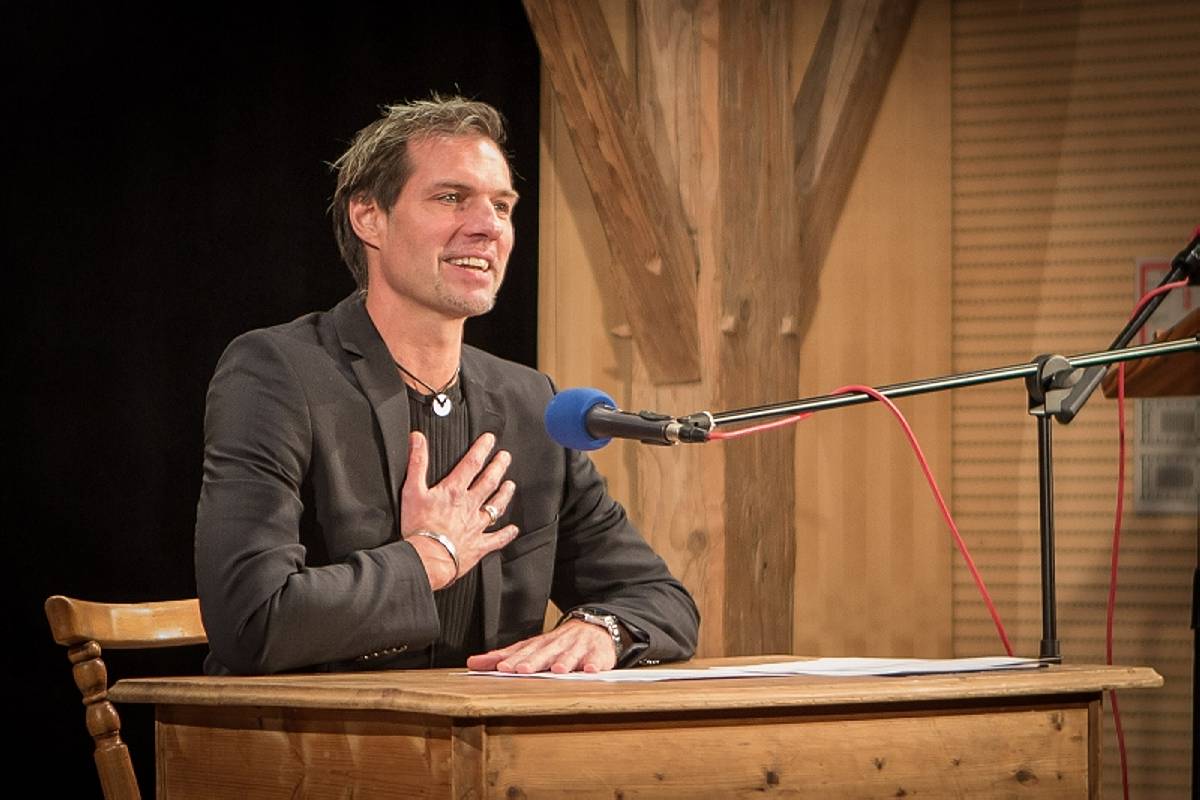
Als ▶professioneller Rundfunksprecher beim Bayerischen Rundfunk weiß ich aus der Praxis, was eine Stimme zu einer guten und tragfähigen Stimme macht.
Die richtige Atemtechnik und eine gute Artikulation sind dabei die unverzichtbare Basis.
Aber genauso wichtig sind eine unangestrengte Haltung und körperliche Präsenz.
Ich zeige Ihnen zudem wirksame Tipps zu Gelassenheit, Authentizität und weniger Lampenfieber.
Erleben Sie, wie leicht atmen sein kann und wie sie selbstsicher mit einer klingenden Stimme sprechen können.
Gelassener werden und persönlich wachsen.
Wir handeln und verhalten uns oft nach den immer gleichen Mustern.
Die Alexander-Technik zeigt, wie man auf diese äußere und inneren Impulse nicht zwingend automatisch reagieren muss.
Konkret beginnt es mit unscheinbaren, körperlichen Mustern in alltäglichen Aktivitäten – wie z.B. beim Sitzen Stehen und Gehen, am Computer oder am Smartphone.
Und setzt sich fort in der Art, wie wir auf unsere Gedanken und Gefühle, auf Überzeugungen und unser ganzes Selbst blicken.
Neugierig auf sich selbst?
Wachsen Sie mit Alexander-Technik. Erleben Sie persönliche Freiheit!
Mein Angebot
Einzelstunden
Einzelstunden sind das „klassische“ und zugleich wirkungsvollste Alexander-Technik-Format.
Die Inhalte werden jeweils passend zu Ihrer Situation und Ihren Bedürfnissen zusammengestellt.
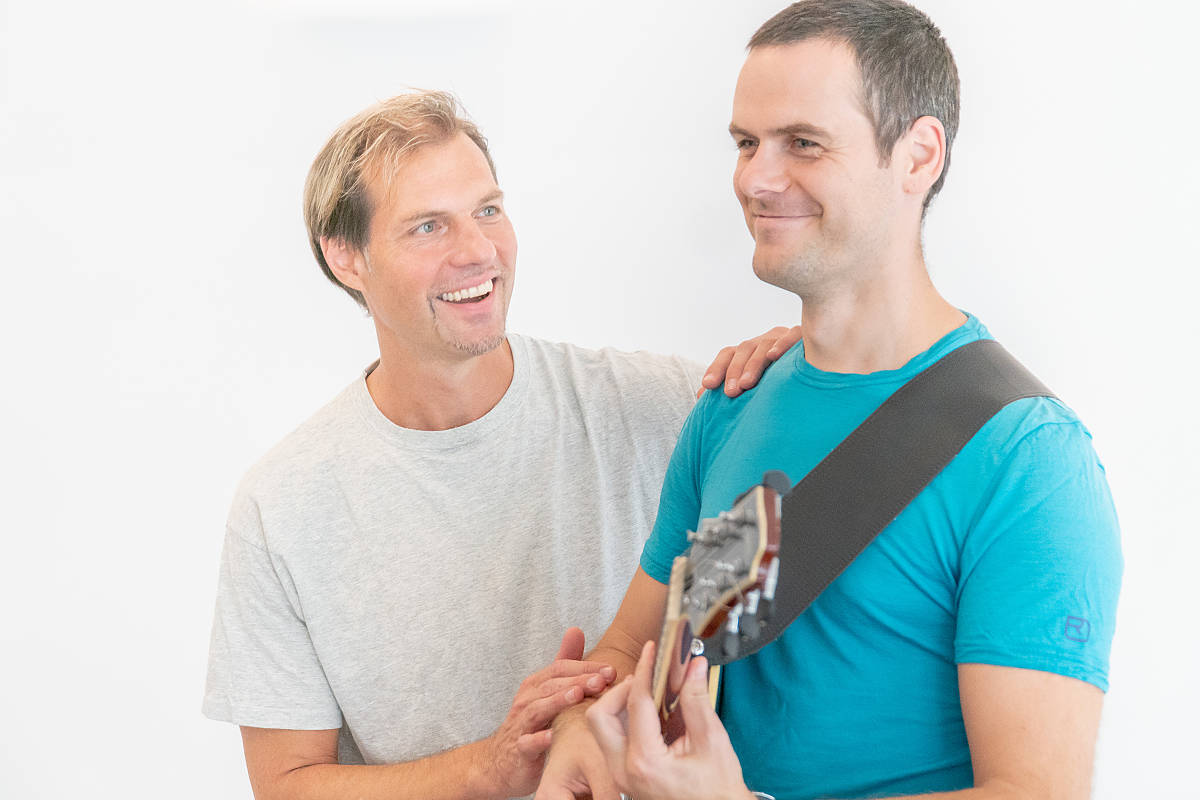
In der Einzelstunde erläutere ich theoretisch und v.a. ganz praktisch mittels alltäglicher Aktivitäten die Grundlagen der Alexander-Technik.
Gemeinsam analysieren wir Bewegungen aus Ihren persönlichen Interessensgebieten sowie dabei auftauchende Handlungs- und Denkmuster. Anhand anatomisch-physiologischen Gesetzmäßigkeiten finden wir heraus, wie Sie sich ökonomischer und leichter bewegen können. Wie Sie Ihr Handlungs- und Gedankenspektrum erweitern und so insgesamt mehr persönliche Freiheit erreichen können.
Gruppen-Workshops und Vorträge
Ich unterrichte auch in festen, geschlossenen AT-Gruppen und halte immer wieder national und international Workshops
- Vocal Coaching & Alexander-Technik | Wochenende Bayrischzell
10.-12. Mai 2024 (mit Sandrina Sedona) | ▶Details und Anmeldung - Vocal Coaching & Alexander-Technik | Intensivwoche Umbrien
1.-8. September 2024 (mit Sandrina Sedona) | ▶Details und Anmeldung
Gerne stelle ich auch jederzeit ein maßgeschneidertes Gruppen-Angebot für Ihre Bedürfnisse zusammen.
Kontaktieren Sie mich einfach unverbindlich.
Online Sessions
Selbstverständlich biete ich auch Einzelstunden über Zoom, Skype oder Teams an.
Besonders können wir hier vom geführten Anwenden meines ►Alexander-Technik Basisplans profitieren.
Alles, was Sie benötigen ist ein Computer, Tablet oder Handy mit Webcam und Mikro.
Ort
Ich komme zu Ihnen – Sie haben die Wahl!
Die Alexander-Technik wirkt am besten direkt in Ihrem Alltag und gewohnten Umfeld. Daher arbeiten wir grundsätzlich bei Ihnen.
Das kann Ihr Zuhause, Ihr Arbeitsplatz oder ein sonstiger Ort Ihrer Wahl sein.
Im Stadtgebiet München ohne Anfahrtskosten.
Gerne auch außerhalb der Stadt, auf Anfrage. Preis je nach Aufwand und Entfernung.
Kosten
Einzelstunde à ca. 60 Minuten
85,- Euro.
Probe-Termine zum Kennenlernen der AT, ca. 90 Minuten
99,- Euro.
Bezahlt werden kann in bar, per Überweisung oder ►per PayPal.
Klientenstimmen
Vielen Dank für Deine Begleitung
vor ein paar Jahren.
Deine Arbeit trägt mich bis heute!
Die Veränderungen, für die ich bisher hart gekämpft habe und viel Zeit und Mühe investiert habe, ohne damit ein befriedigendes Ergebnis zu erzielen, haben sich innerhalb kurzer Zeit mit Leichtigkeit ergeben. Für mich ist das ein Wunder!
Ich bin nicht mehr heiser. Meine Stimme ist seither konstant klar, was ich vorher durch zahllose Logopäden-Sitzungen nicht erreicht habe.
Vielen Dank nochmal für die tolle Stunde!
Das war eine echte Atem-Erleuchtung!
Bei Andreas habe ich gelernt, wie ich Kontakt mit mir selbst herstellen kann. Ich habe dadurch das Gefühl, viel näher an dem zu sein, was mich wirklich ausmacht. Es ist, als ob ich mehr ich werde.
Über mich
- Alexander-Technik Erfahrung seit 1998. Zertifizierter Leher seit 2005.
- ▶Sprecher beim Bayerischen Rundfunk seit 1997.
- Von 2009 bis 2015 Assistent und Stellvertreter der Münchner Ausbildung für Alexander-Technik (M.A.A.T.).
- Regelmäßig Gastlehrer in verschiedenen Alexander-Technik-Schulen.
- Internationale AT-Workshops zu spezifischen Themen, insbesondere zu Alexander-Technik und Stimme.
- Organisation und Leitung des ▶12. Internationalen Alexander-Technik Kongresses 2022 in Berlin (zusammen mit ▶Rossella Buono)
- Alexander-Technik in Deutsch und Englisch | Alexander Technique in German and English
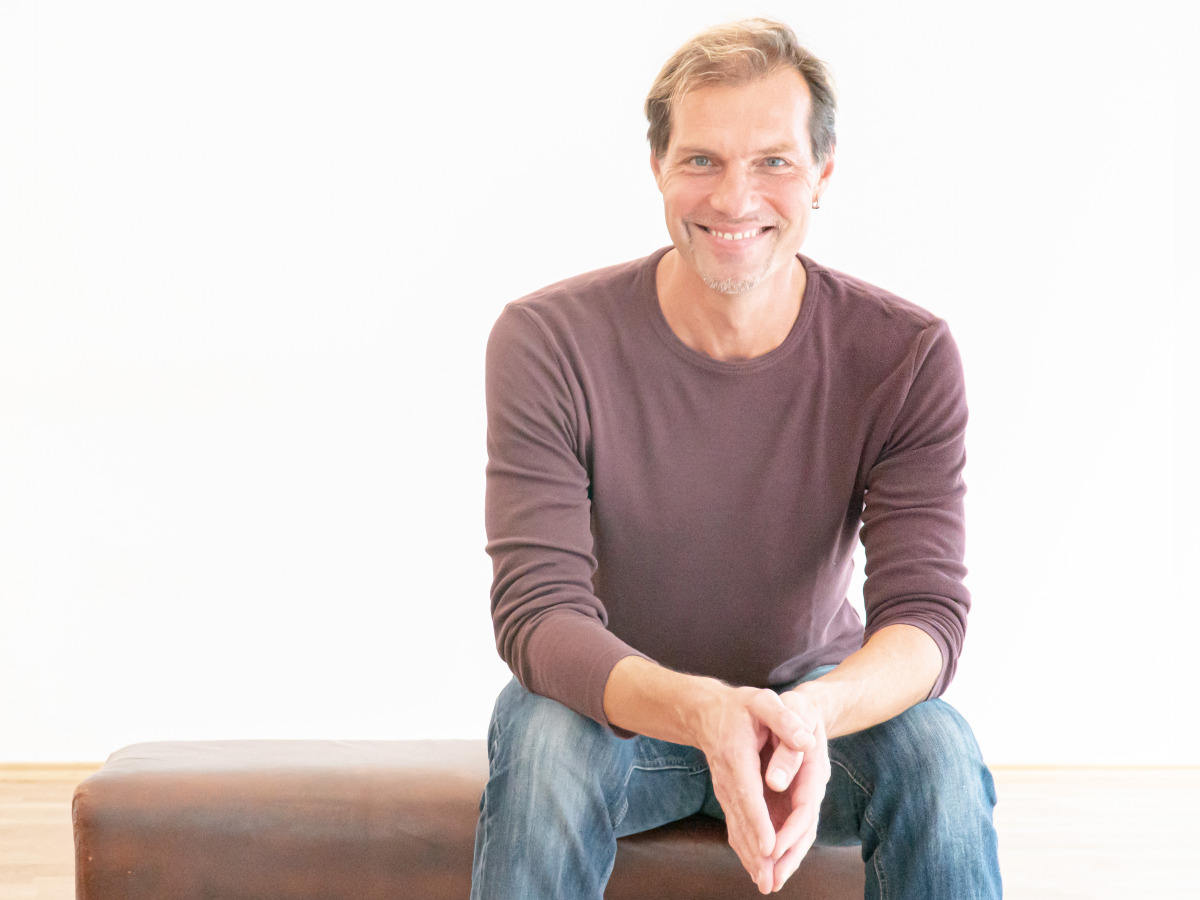
Was mich begeistert
Seit 1998 begleitet mich die Alexander-Technik durch mein Leben, und wie am ersten Tag freut und fasziniert mich noch heute, dass die Alexander-Technik eine durch und durch praktische und pragmatische Arbeit ist. Es braucht kein umfangreiches theoretisches Wissen, keine Ideologie, keine Dogmen, und auch keine Extra-Übungen. Es ist eine Methode, die auf Erleben und Erfahrung basiert.
Am meisten begeistert mich, dass die Anwendungsgebiete schier unbegrenzt sind, und man kann die Wirkung direkt und konkret in den Situationen und Tätigkeiten des Alltags erleben. Vor allem als Rundfunksprecher beim Bayerischen Rundfunk ist mir die Alexander-Technik stete Begleitung, um mich auf meine Stimme, auf Ausdruck und Präsenz verlassen zu können.
Aber auch sonst ist sie fest in mein tägliches Leben integriert. Sei es beim Arbeiten am Computer, bei der Hausarbeit oder beim Fahrrad-, Motorrad- und Auto fahren,
Ganz besonders freut mich aber, dass v.a. auch menschliche Beziehungen gewinnen – ich habe mehr Kontakt zu mir und zu meinem Gegenüber, und dadurch erlebe ich viel weniger Konflikte und Streitigkeiten. Jetzt gibt es mehr Harmonie und Freude in meinem Leben und insgesamt einfach mehr innere Freiheit.
Ich lade Sie herzlich ein, dieses wunderbare, praktische Werkzeug mit mir zu erforschen und zu erlernen!

Der Alexander-Technik Basisplan©
Zusammen mit ▶Maleen Schultka im Rahmen ihrer ATworkcare Initiative habe ich den Alexander-Technik Basisplan entwickelt.
Der Alexander-Technik Basisplan ist ein praktisches und einfach anzuwendendes Hilfsmittel für mehr Leichtigkeit im Leben.
Er besteht aus sechs kurzen Modulen, die in jeder Alltagssituation angewendet werden können. Es gibt zu jedem Baustein je eine Textbeschreibung sowie eine gesprochene Anleitung, die man auch herunterladen kann.
Wer den Alexander-Technik Basisplan regelmäßig und konsequent anwendet, erlebt weniger Verspannungen, Schmerzen, Fehlhaltungen oder Funktionseinschränkungen.
Alle Aktivitäten werden mit der Zeit leichter, fließender und effizienter.
Er ist als Web-App für jeden Browser verfügbar, ebenso gibt es eine App für iPhone und Android.